February 9, 2025 · 4 min read
Harbour Towns of Galicia
Salt, slate roofs and octopus on wooden plates: a week on Spain’s wet, wild corner.
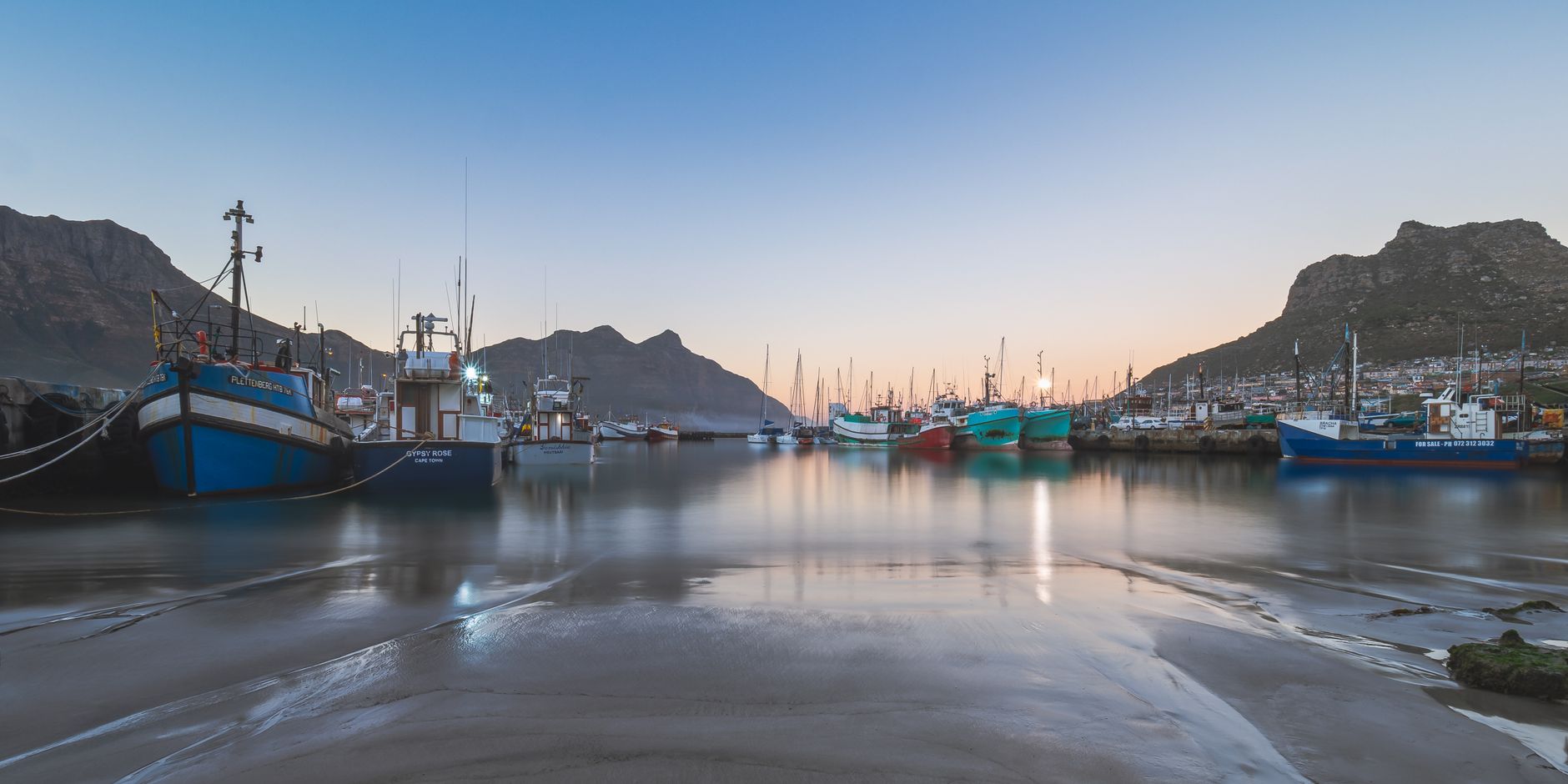
Galicia gets overlooked by people chasing the sun, and I understand why. It rains. The wind carries salt into everything. The light, when it comes, is the pearly grey of the inside of a mussel shell. I have loved it since the first morning.
I based myself in Cambados, a small town of granite and hydrangeas, and spent a week working my way up the rías. Each harbour had its own character. Muros, with its arcaded streets and cats on every doorstep. Cedeira, with boats the colour of boiled sweets. Camariñas, where lacemakers still sit by their windows and the cemetery faces the Atlantic like a ship’s deck.
Mornings began at the quay. Fishermen mended nets in the half-dark, speaking Galician in low practical sentences, and let me stand nearby while they worked. I asked permission to photograph one man’s hands. He considered it the way you consider a stranger’s dog, then shrugged. The picture, a thick knot of orange twine in weathered fingers, remains my favourite from the trip.
The food is the other reason to come. Pulpo á feira arrives on a wooden plate, sliced into coins, dressed with coarse salt, paprika and olive oil, and eaten with toothpicks. Percebes, the strange gooseneck barnacles harvested from wave-battered rocks, taste like the sea concentrated into a single bite. In a bar in Muros, a woman served me albariño in a ceramic bowl and told me this was the correct way, and I did not argue.
The sea here is not scenery. It is the town’s oldest employer.

One afternoon, I walked a section of the Camino dos Faros, the Lighthouse Way, which follows the coast of the Costa da Morte. The path is rough and unmarked in places, a series of sheep tracks stitched across cliffs. Wind pushed me sideways. Waves detonated on black rock hundreds of feet below. At the end sat a lighthouse, white against a bruised sky, and a café selling hot chocolate thick enough to hold a spoon upright.
Spend time in a place like this and your sense of scale adjusts. Cities seem briefly ridiculous. Everything that matters shrinks to weather, tide and who is cooking dinner. I wrote more in that week than in the previous six months, all of it plain, all of it about water.
Go in autumn or early spring if you can. Pack a real raincoat. Eat anything that comes out of the water that morning. And walk to the end of every pier, because there is nearly always someone there, in a folding chair, who will tell you what the sea has been doing lately.
Letters from the road
One quiet email a month: new notes, a photograph, and a book worth carrying.