March 18, 2025 · 4 min read
Night Trains and Rain, Southern Chile
Twelve hours south on a slow train, with a window that never quite dried.
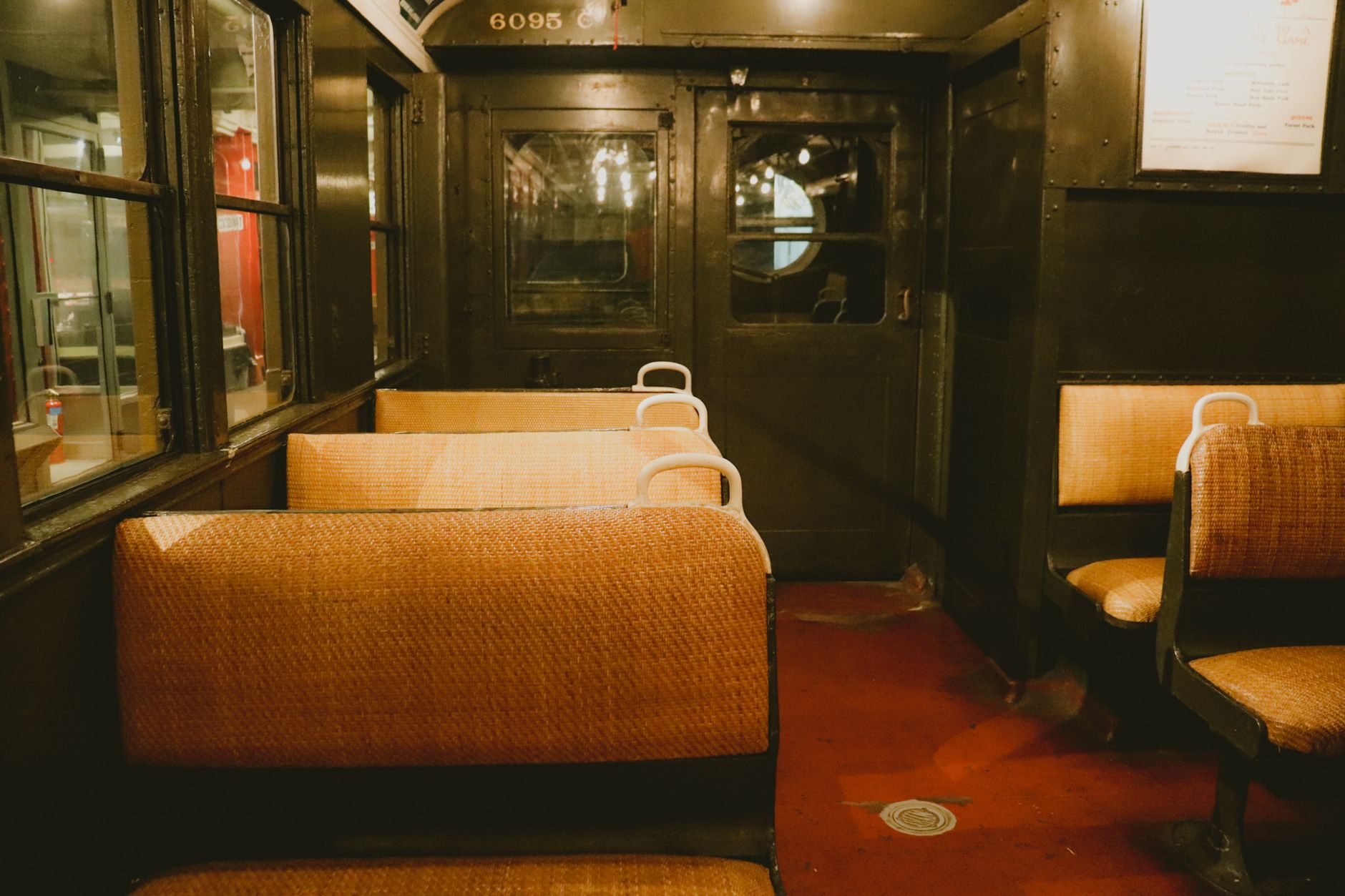
The overnight train south from Temuco leaves at nine in the evening and arrives, in theory, at nine the next morning. In practice it arrives when it arrives. I booked a seat rather than a berth, which I would not recommend, and then sat very happily awake for most of the night.
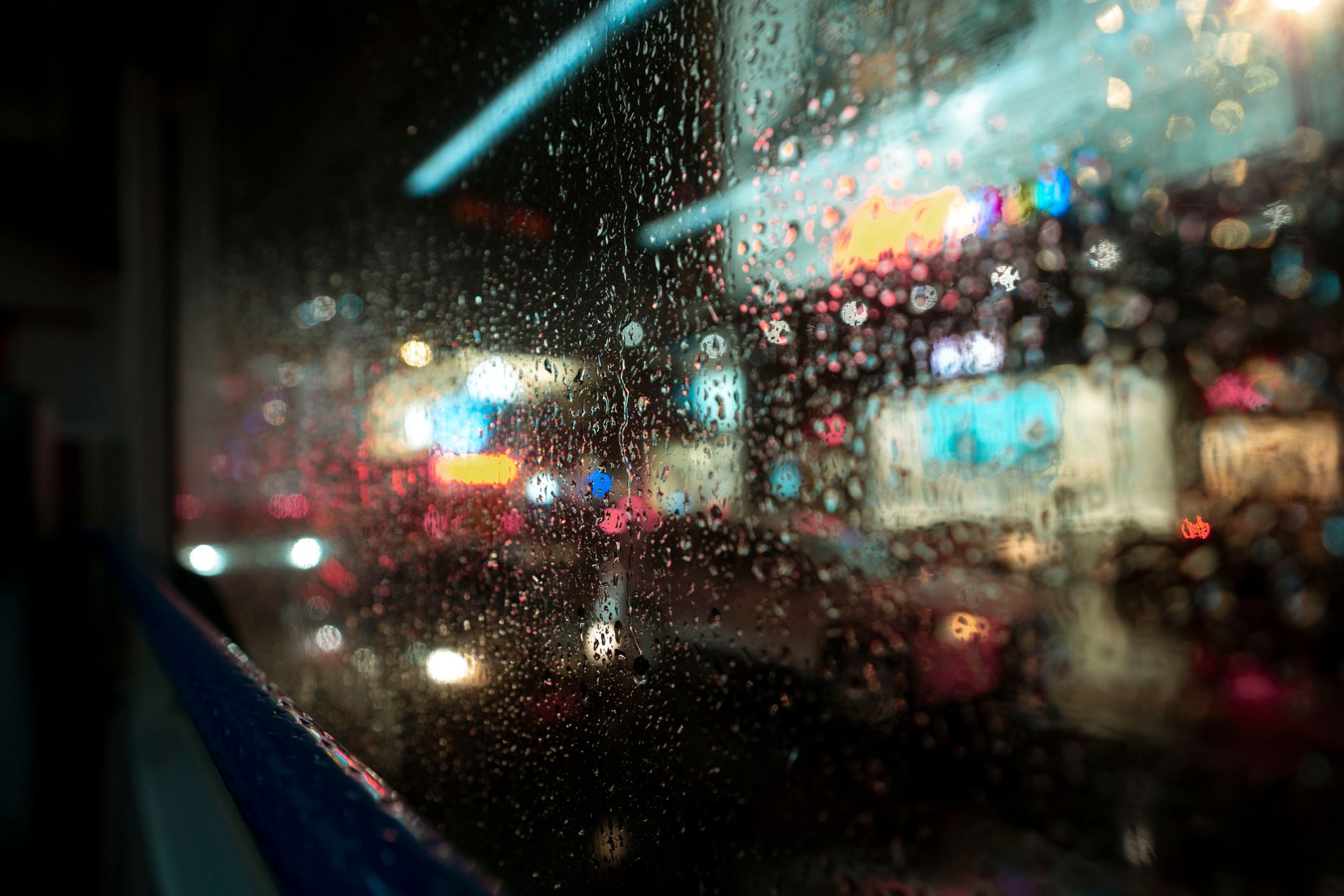
Rain began before we cleared the station. It stayed with us for hours, a fine southern rain that does not fall so much as hang. Through the window the lights of small towns smeared past, a petrol station, a church, a dog under a lamp, each one visible for three seconds and then gone.
My carriage held a handful of people. A man in a wool poncho slept with his hat over his face. A mother tried to settle two children who wanted nothing less than sleep. A student, headphones around her neck, was reading a paperback so worn that its cover had been replaced with brown paper. At one in the morning she offered me half of a sandwich without looking up from the page.
I have a theory about trains. Planes deliver you to a place; trains deliver you through a country. The distance is part of the gift. You see how fields turn to forest and forest to lake, how the architecture changes board by board, how a river you crossed at midnight is the same one you follow at dawn. Nothing is skipped.
A slow train is a way of being allowed to look.
Photographing from a moving train is mostly a lesson in failure. The glass doubles everything. The motion blurs the rest. But after a few hours I stopped trying for sharp pictures and started looking for the accidental ones: a reflection of the carriage laid over a pasture, a lit window floating in black, rain beads each holding a small upside-down town.
Around five, the sky began to pale. Volcanoes appeared where there had been only dark, enormous and quiet, their tops wrapped in cloud. The student closed her book at last. The man in the poncho woke, looked at the view as if checking an old promise, and went back to sleep. I did not photograph that either.
We reached the southern terminus two hours late. Nobody seemed bothered. I stepped onto the platform with stiff knees and a notebook full of bad handwriting, and walked into a town that smelled of woodsmoke and wet stone. It was exactly where I wanted to be, and I would not have appreciated it half as much if I had flown.
Take the slow train. Pack an extra layer, a thermos and a book you will not mind losing. Sit by the window, and let the country go past at the speed it was meant to be seen.
Letters from the road
One quiet email a month: new notes, a photograph, and a book worth carrying.