October 5, 2024 · 4 min read
Canoe Country in Autumn
Five days of paddling, portaging and listening in the lakes north of Algonquin.
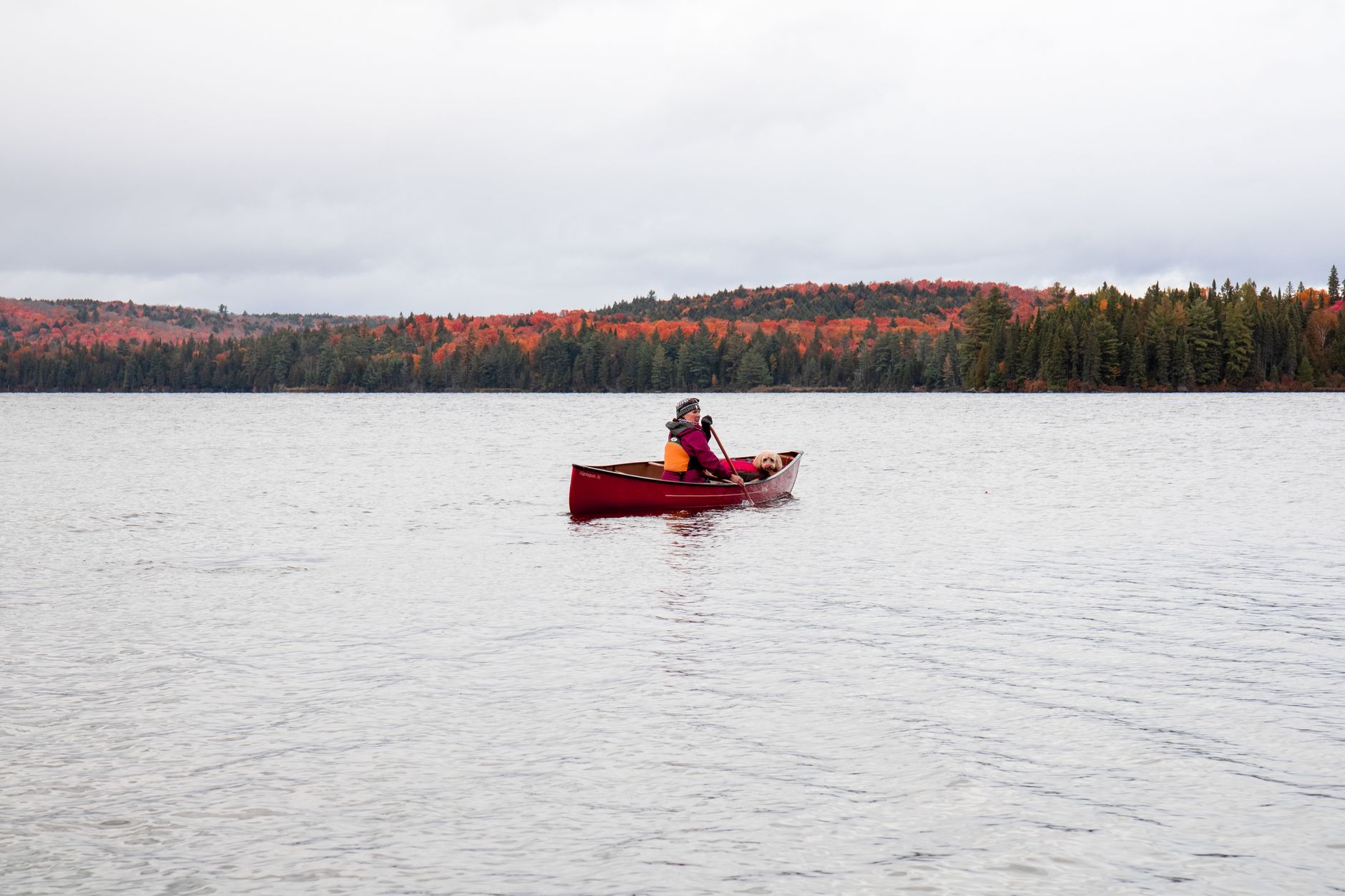
My cedar canoe weighs forty-one pounds, which is light until you have carried it over a kilometre of rocky trail with a pack on your back. I learned this on the first portage and had many more days to learn it again.
I put in at dawn on a lake so still that the far shore appeared twice, once in water and once in air. Mist stood on the surface in small shifting ghosts. The first strokes made a sound like tearing silk, and then I settled into the rhythm that carried me for five days: dip, pull, drift; dip, pull, drift.
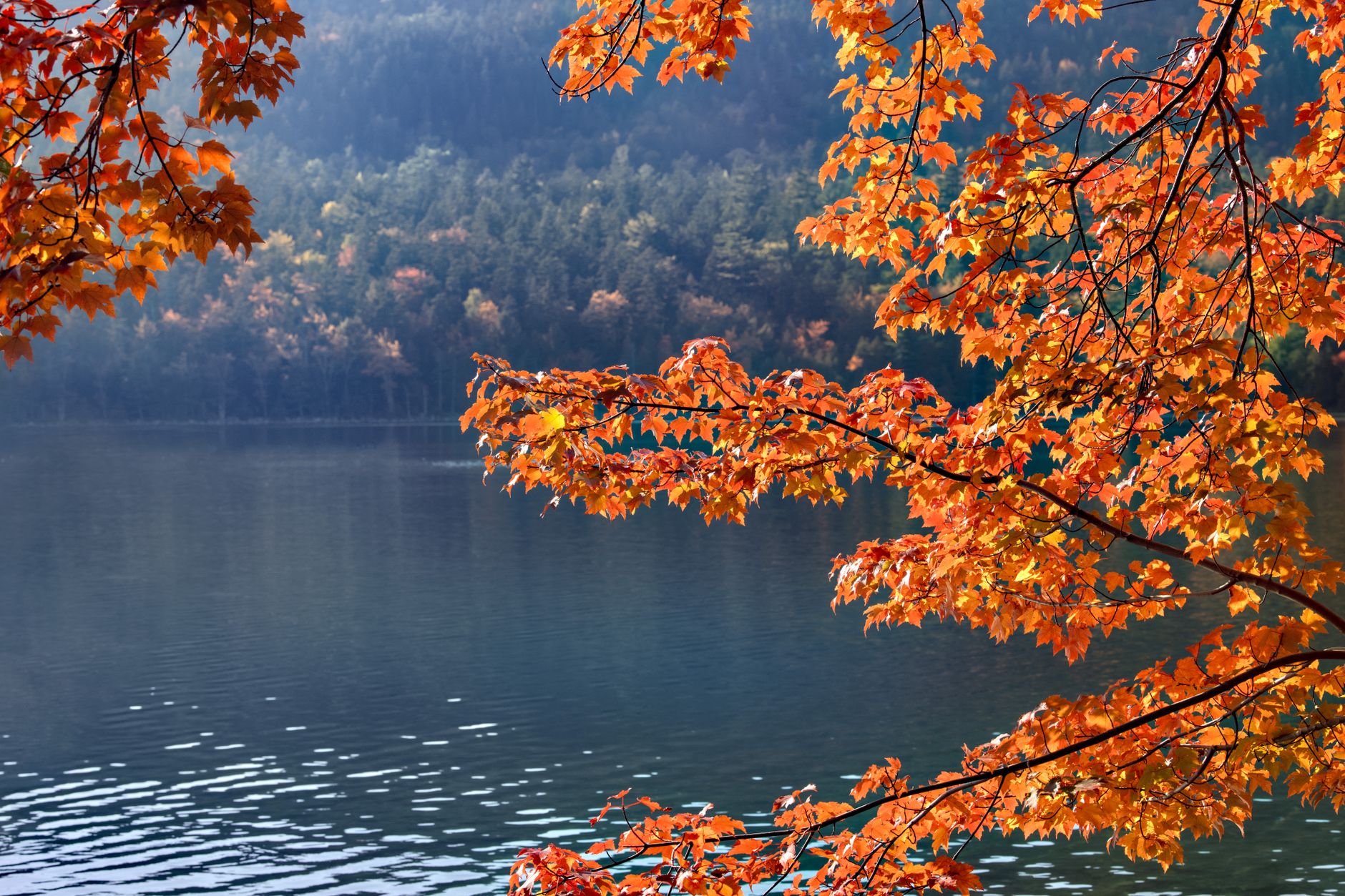
Autumn is the season for these lakes, though it asks something in return. Mornings are near freezing. Daylight is short. But the maples have turned, whole hillsides of scarlet and amber, and with no breeze the colours double on the water. I stopped paddling often, only to float and stare.
The portages are the work. Each one is a small argument with your own stubbornness: a trail of roots and mud, a canoe on your shoulders, a pack pulling backward. And each one ends, always, at another lake. By the third day I had stopped dreading them and started treating them as punctuation, a pause between two long sentences of water.
Every portage ends. That is the entire philosophy of canoe travel.
Camp was simple. A tarp, a small stove, a bag of lentils, a tin cup. In the evenings I sat at the water’s edge and watched the light drain from the hills, and listened. Loons called across the dark. Something large moved in the reeds and thought better of it. A pair of otters crossed my bay at dusk without a glance, making their own small wakes.
I photographed less than I expected. The best images were taken from the canoe at water level, where the camera sees what the paddler sees: shoreline as a ribbon, reflections stretching toward me, the paddle blade lifting a thread of light. I shot most of them in the first hour after sunrise, hands numb and happy.
On the last morning a thin frost lay across the canoe’s thwarts. I wiped it off with my sleeve, loaded up, and pushed off one more time. The lake took the boat as if it had been expecting us. A mile on, a heron lifted from the shallows, unhurried, and flew ahead of me for a long while, as if showing the way.
If you want to try it, rent before you buy, learn a J-stroke, and pack your food in more bags than seems sensible. Keep a dry layer for evening. And remember that every portage ends, that this is the entire philosophy of canoe travel, and that it applies to more than lakes.
Letters from the road
One quiet email a month: new notes, a photograph, and a book worth carrying.